Estate
Wies Doorn
1929 to 2004, Utrecht
Post-war Dutch abstraction, worked almost entirely in grey between 1962 and 1971, then abandoned for teaching.
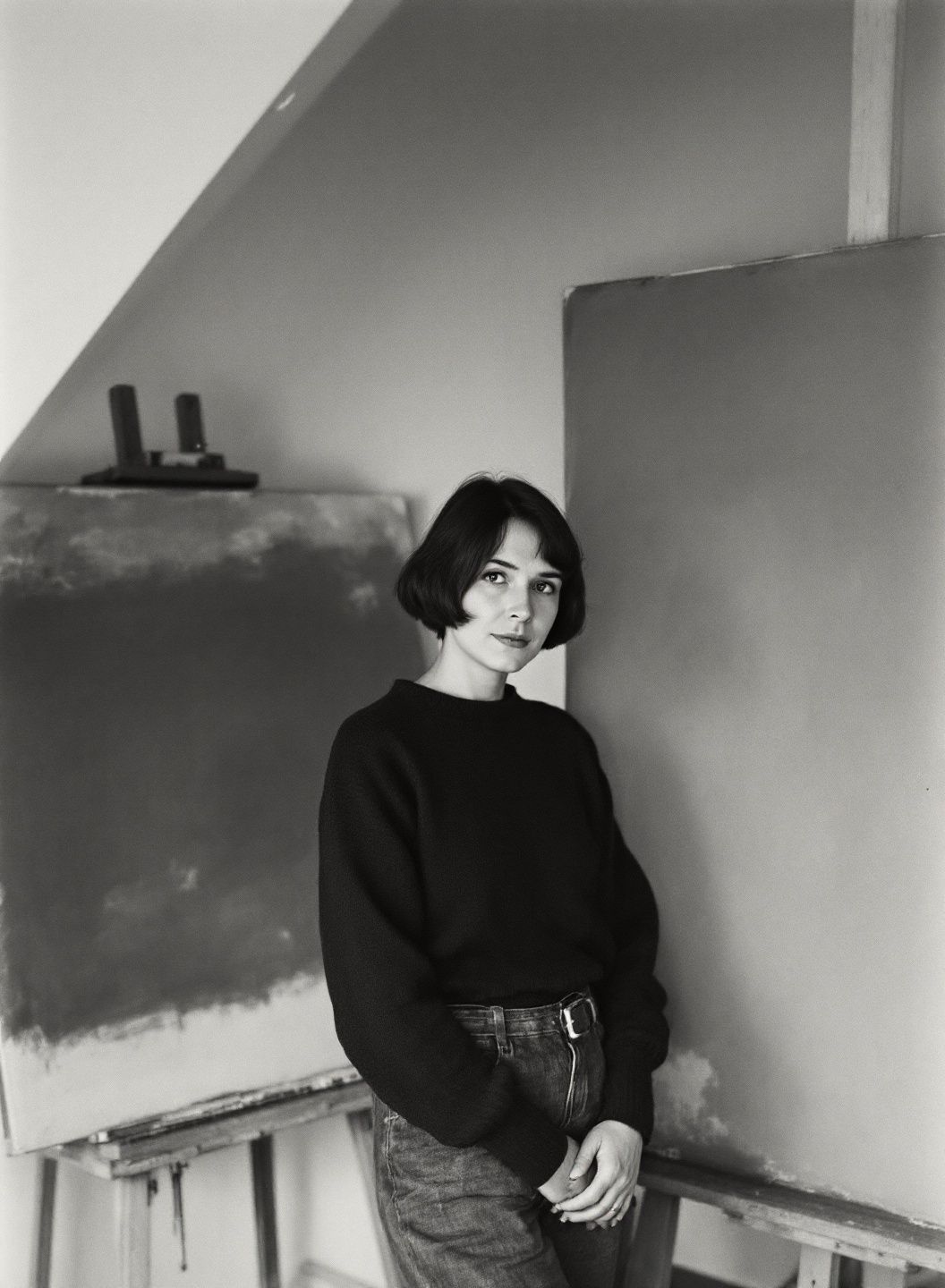
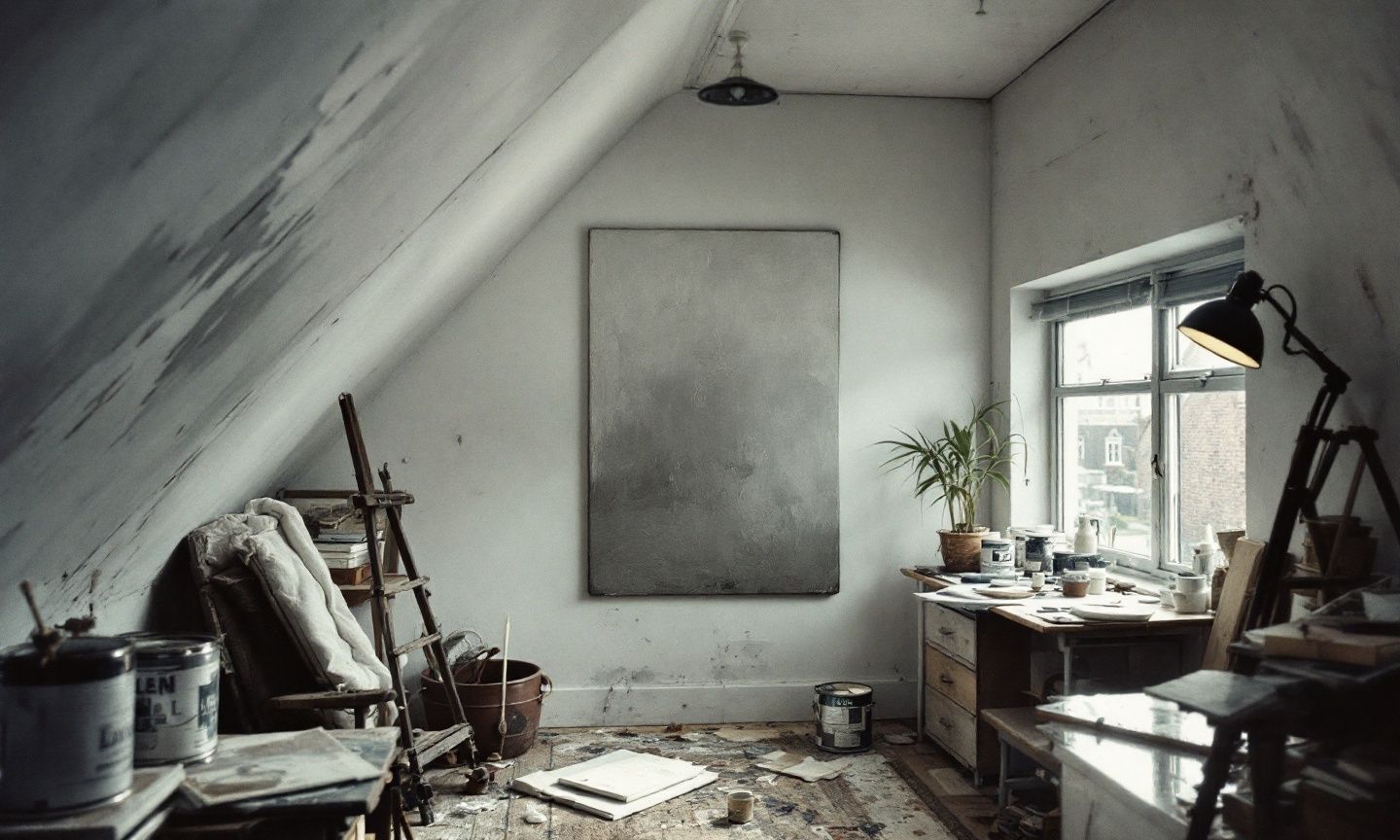
Wies Doorn painted for eleven years and then stopped. The work that survives, around a hundred and forty canvases, was made between 1962 and 1971 in a studio above a bicycle shop in Utrecht. After 1971 she taught at the Rietveld Academie for twenty-six years and did not paint again, a decision she never explained publicly and which her students describe her as treating with complete indifference.
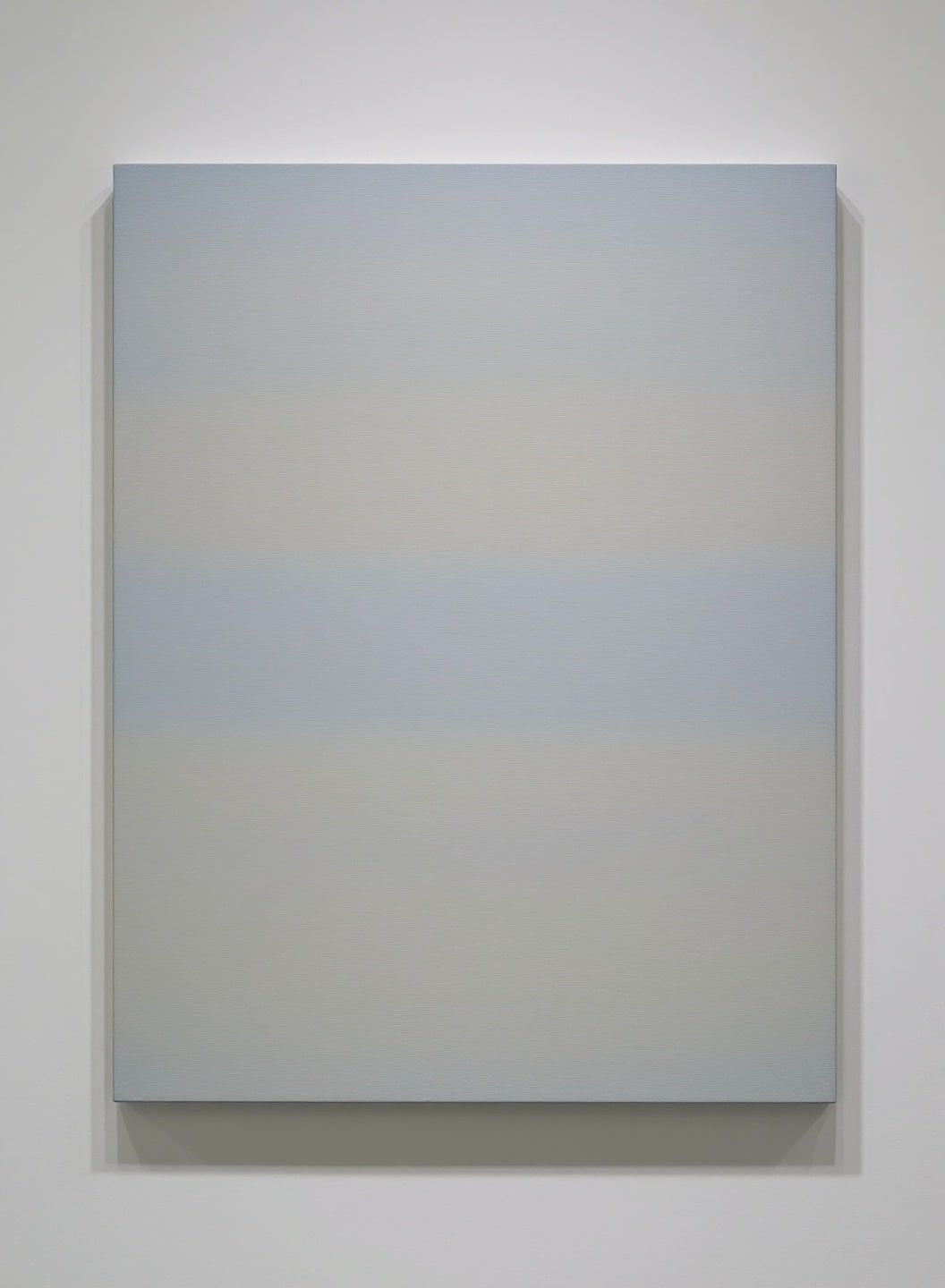
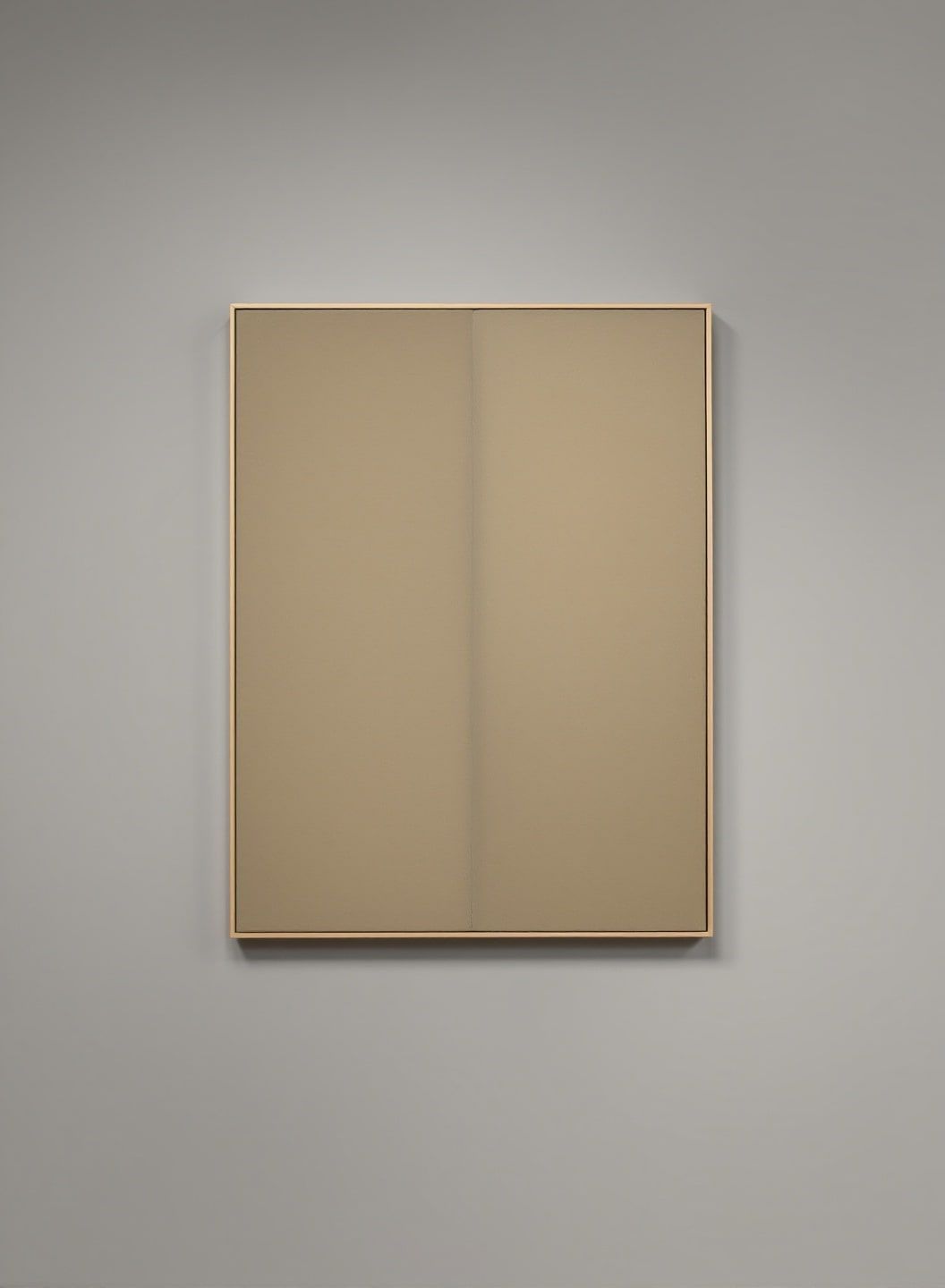
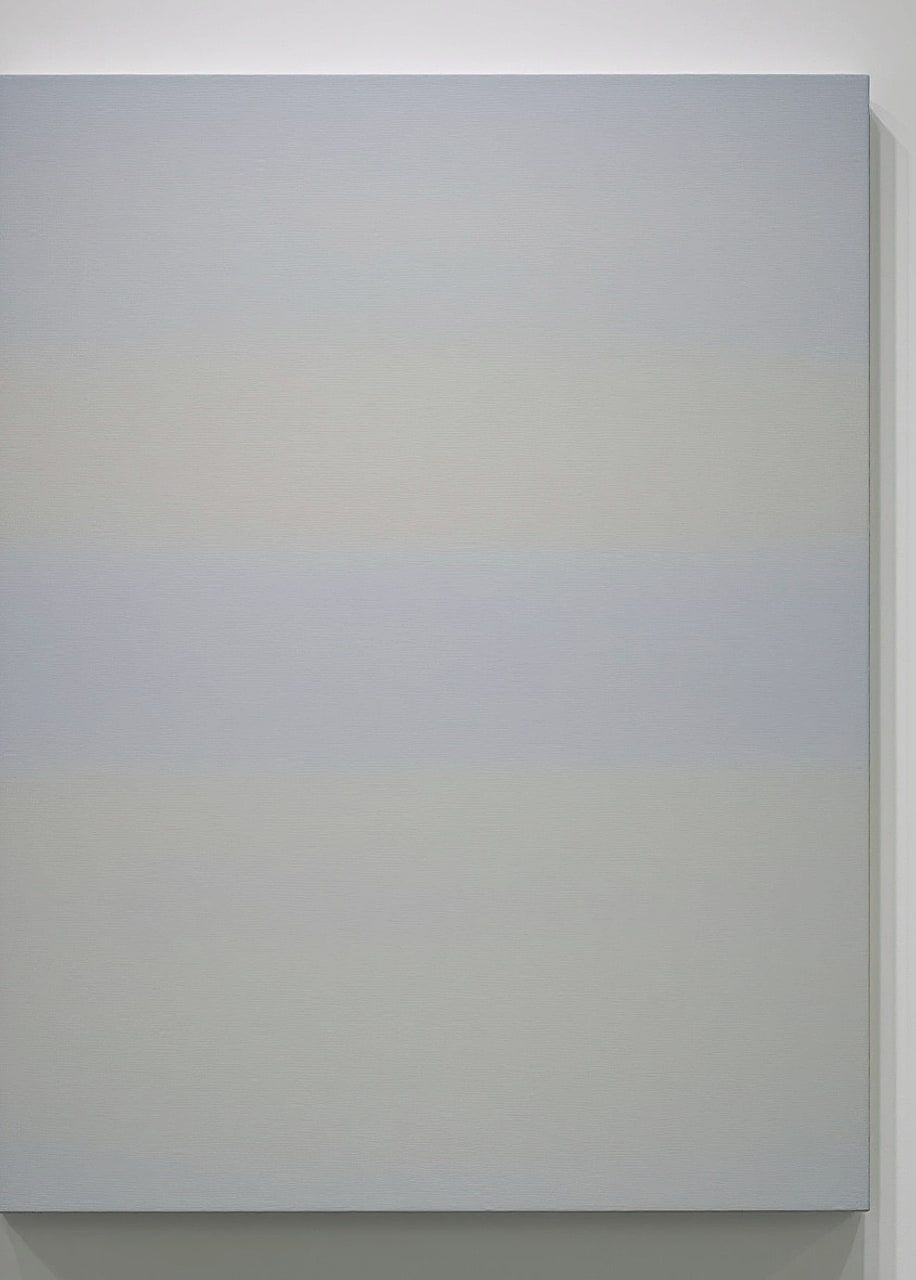
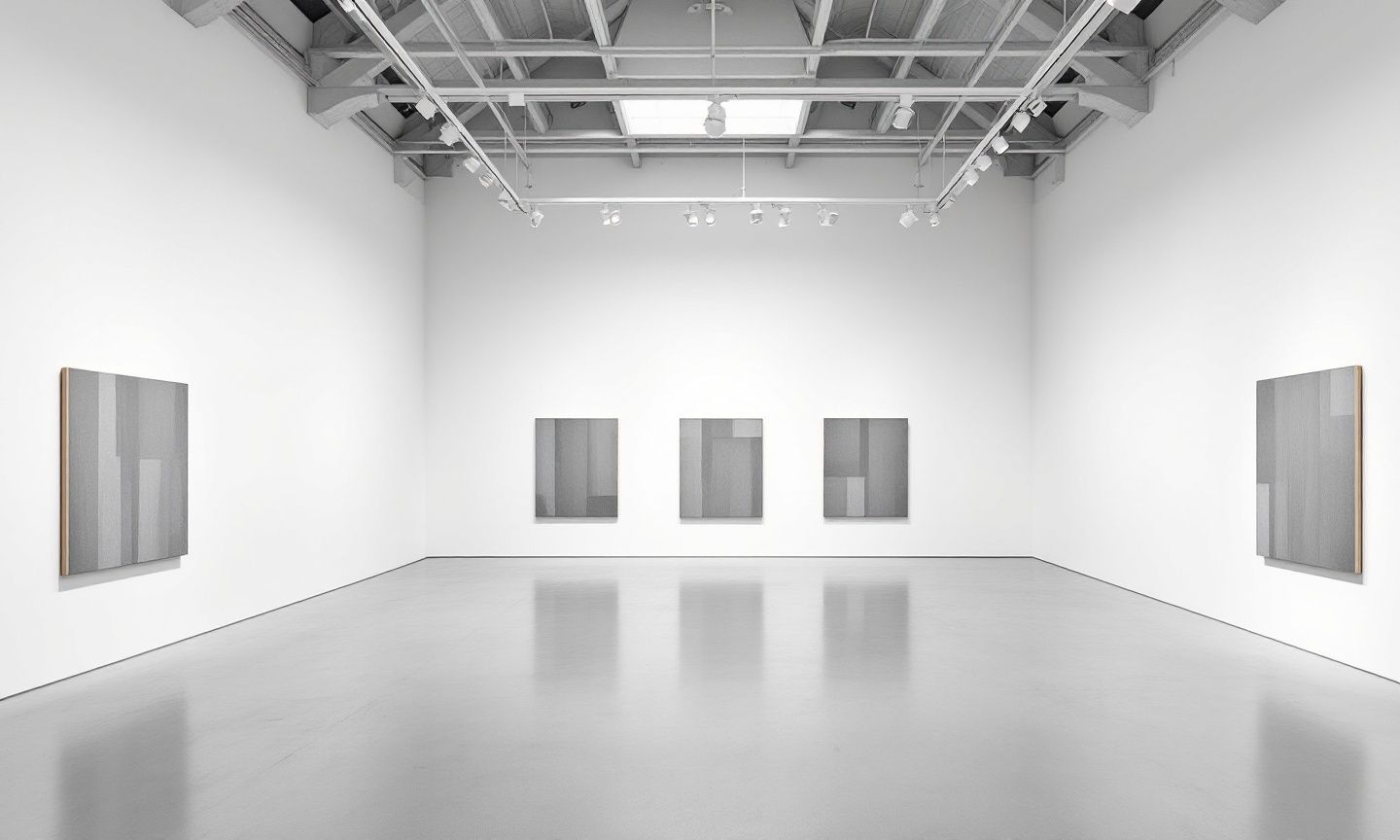
The paintings are almost all grey. Doorn mixed her own from lead white and lamp black with small amounts of raw umber, and the range she got from that limited set is the whole subject. The canvases are divided by soft vertical bands that do not quite line up with the edges of the stretcher, so the composition always sits slightly wrong in its own frame. Contemporaries read this as a nod to the Dutch tradition of the divided plane. Doorn said it was because she worked against a wall and could not step back far enough.
She showed regularly in the 1960s, including at the Stedelijk in 1967, and then disappeared from the market almost entirely. The rediscovery began with a 2011 room at Museum Boijmans Van Beuningen and accelerated after the estate was catalogued in 2019.
The gallery has represented the Estate of Wies Doorn since 2021. Work is held by the Stedelijk Museum Amsterdam, the Kröller-Müller Museum and the Museum Ludwig.